
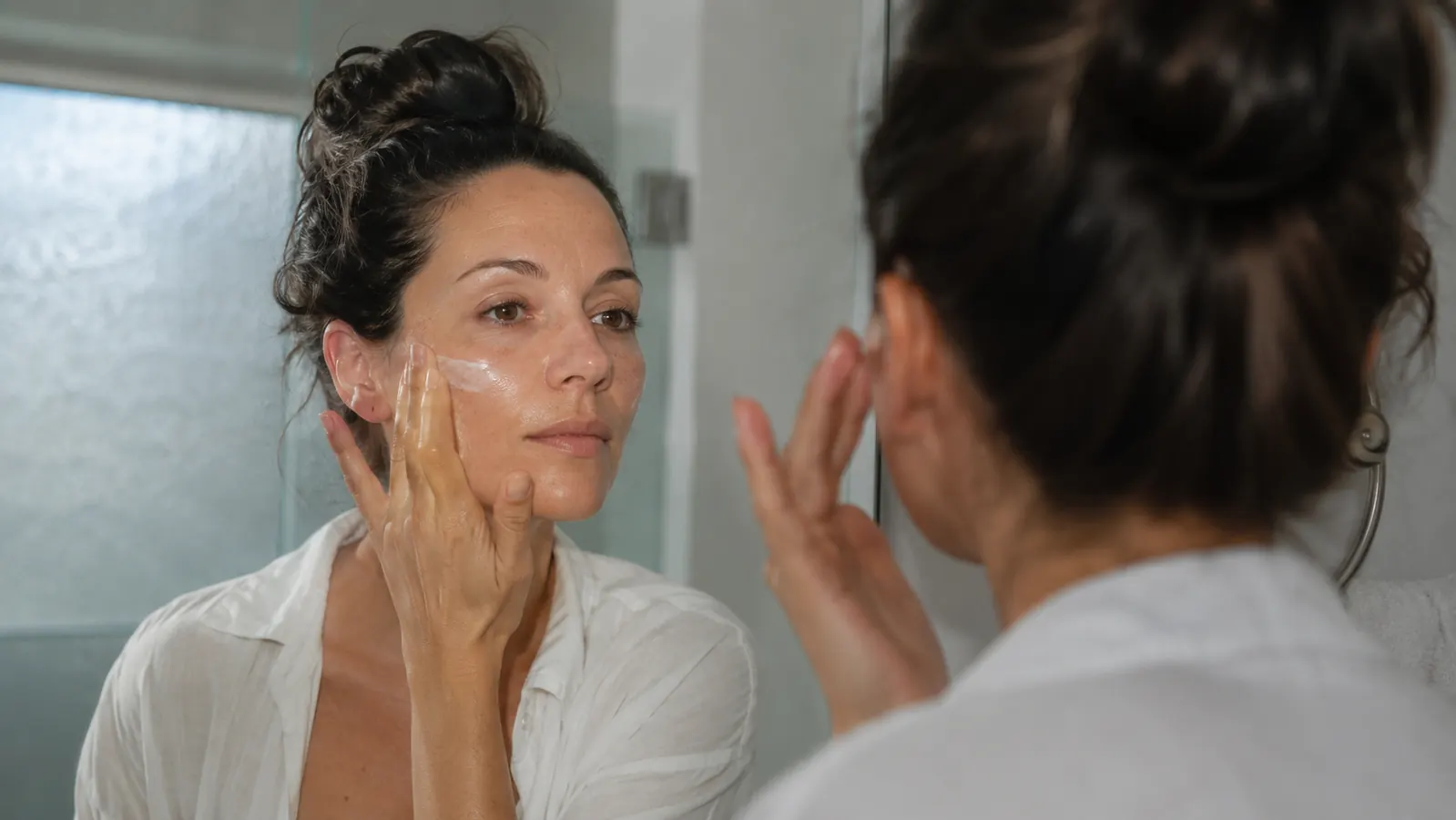
Every dermatologist I have ever read says sunscreen is the single most important step in a skincare routine. And yet, most people skip it at least three days a week. I was one of them. The reason was never laziness, not really. It was that the products I tried either left a white cast that took 10 minutes to blend out, or they broke me out, or they sat greasy under makeup for the rest of the day. Once I found a mineral formula that disappeared in under a minute and did not mess with anything else in my routine, the habit took hold almost on its own. This guide is about building that system: the right product choice, the right place in your layering order, and the small adjustments that make SPF go from something you mean to do to something you simply do.
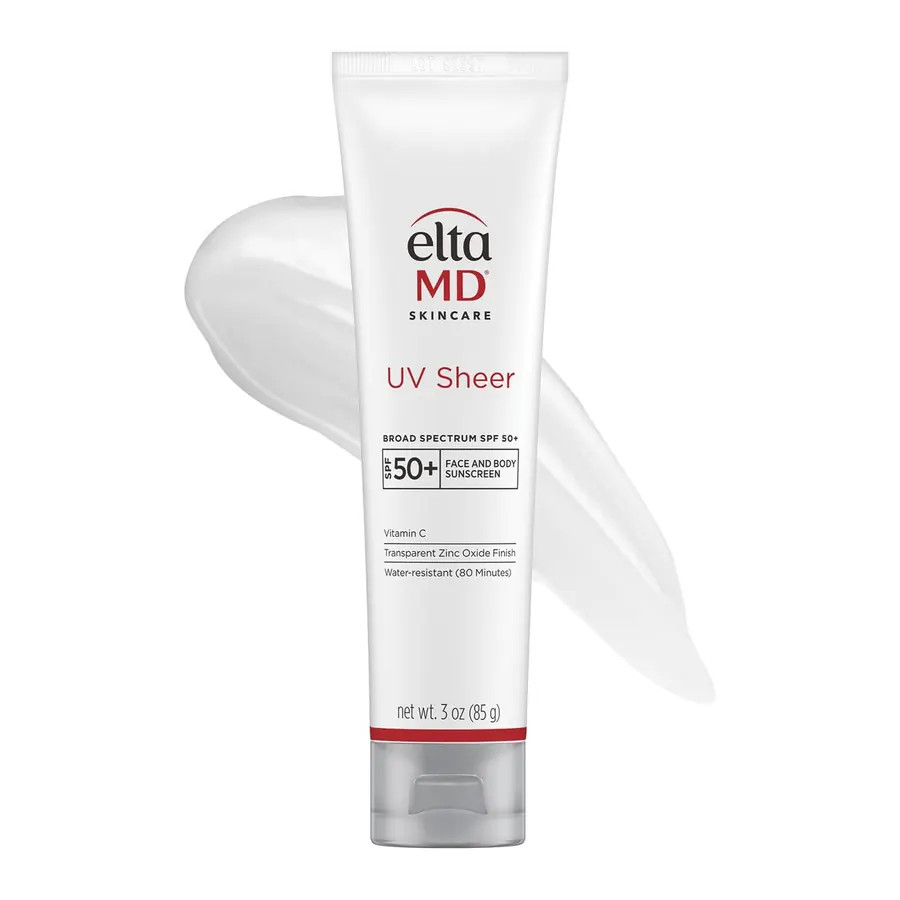
The product I use at the center of this routine is EltaMD UV Sheer SPF 50+. It uses transparent zinc oxide, so there is no visible white cast, and it contains hyaluronic acid, so it does not compete with or sit on top of your moisturizer in a weird way. At 4.6 stars across 3,721 Amazon reviews, it earns its reputation. But the product alone does not build a habit. The five steps below do.
If you have been skipping SPF because every sunscreen you have tried feels wrong on your skin, this formula is worth checking out.
EltaMD UV Sheer SPF 50+ uses transparent zinc oxide with hyaluronic acid. No white cast, no heavy film, no skipping. Check today's price on Amazon before you build the rest of your routine around something that does not suit your skin.
Amazon Check Today's Price on Amazon →Step 1: Remove the Barrier to Entry
The first step is not applying sunscreen. It is making it impossible to forget. Most people keep their SPF in a medicine cabinet or tucked behind other products. That means it requires a conscious decision every morning. Move your sunscreen bottle to the front of your counter, directly next to your moisturizer. Put it somewhere your hand naturally lands when you finish your routine. This one physical change eliminates the 'out of sight, out of mind' problem that derails most people before they even start.
If you reapply midday, keep a second travel-size bottle in your bag or on your desk. The intention to reapply does not survive the friction of having to dig for the product. Reduce the friction and the behavior follows.
This sounds almost too simple, but placement is the most underrated behavior-design tool in skincare. I have tested this on myself. When the sunscreen was behind three other products, I skipped it about 40 percent of the time. When it moved to the front, I missed maybe one day a month.
Step 2: Layer It in the Right Slot
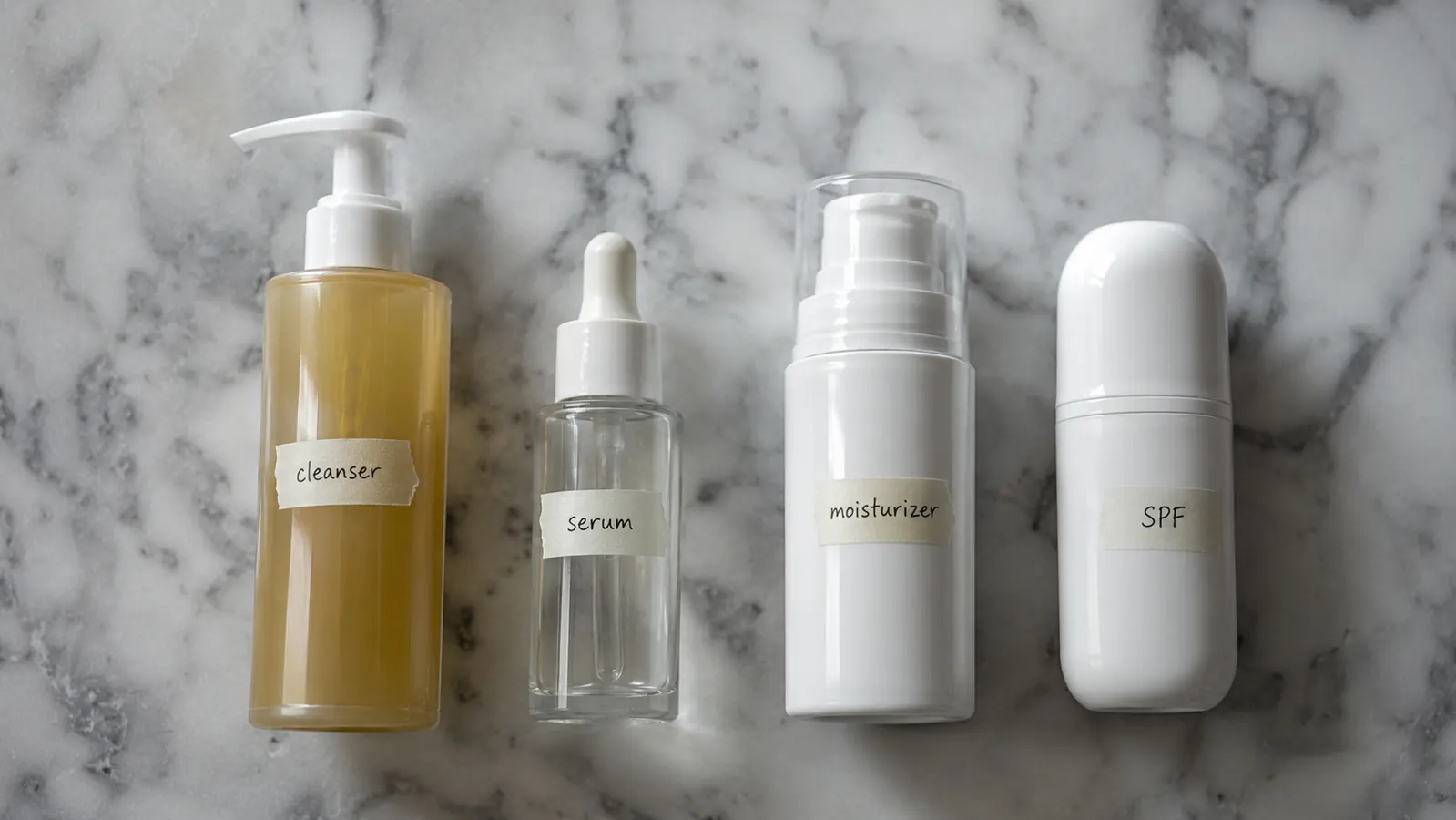
Sunscreen goes on last in your morning routine, after everything else has been absorbed. That means the order is: cleanser, water-based serum, moisturizer, sunscreen. Wait 60 to 90 seconds between your moisturizer and your SPF to let the moisturizer set slightly. Applying sunscreen over wet or still-mobile moisturizer can dilute the SPF layer, which matters when you are relying on it for full protection.
With EltaMD UV Sheer, I use a nickel-size amount for my face and blend it in small circular motions starting at the center. It absorbs in 30 to 60 seconds and leaves a light, barely-there finish. On days I wear makeup, I follow immediately with primer. The zinc oxide does not ball up under powder or tinted products the way some mineral formulas do, which was the specific deal-breaker for me with an earlier sunscreen I tried.
One thing worth knowing: if you are using a vitamin C serum in the morning, apply it before your moisturizer and give it a full two minutes to absorb. Vitamin C oxidizes when it comes into direct contact with other products too quickly, and losing that antioxidant boost partly defeats the purpose. The rest of the layering order stays the same.
Step 3: Use the Right Amount
Most people apply about 25 to 30 percent of the recommended amount of sunscreen. That is not a guess, it is what clinical studies on actual sunscreen usage behavior consistently show. The FDA-standard SPF rating on any product is measured using 2 milligrams of product per square centimeter of skin. For the face, that works out to roughly a quarter teaspoon, or about the size of a quarter coin in the palm of your hand.
A nickel-size pump of UV Sheer is close to that amount for the face alone. If you are covering your neck and ears, which you should be, add a little more. The product is lightweight enough that a slightly generous application does not feel heavy or greasy, which removes one of the main reasons people under-apply.
A practical tip: if you find yourself thinking 'that seems like a lot,' you are probably at the right amount. The instinct to use less is strong because we associate skincare products with a little going a long way. Sunscreen is different. Under-application means you are getting somewhere around SPF 15 to 20 in practice, even if the bottle says SPF 50.
Step 4: Plan for Reapplication
The standard recommendation is to reapply SPF every two hours when you are outdoors, and after swimming or sweating. For most people with indoor jobs, the practical question is simpler: if you step outside for a lunch break, a walk, or even a 20-minute drive, your SPF layer has been doing real work and is worth refreshing in the afternoon.
For reapplication over makeup, a mineral SPF powder or setting spray with SPF is easier than re-applying a lotion formula. I keep a separate SPF powder brush in my bag for this. The UV Sheer itself reapplies cleanly over nothing, or over light makeup, but if you are in full foundation it is easier to use a powder-format SPF on top rather than disrupting your base. What matters is that reapplication happens, not that it happens with the same product.
On purely indoor days, a single morning application is generally adequate. The ultraviolet A radiation that causes long-term skin aging does come through glass, so if you sit near a window for most of the day, that morning layer still matters, and refreshing once around midday is worth considering.
Step 5: Make the Habit Self-Reinforcing
Habits that require ongoing willpower tend not to last. The goal is to reach a point where skipping sunscreen feels as strange as skipping brushing your teeth. The way to get there is to tie the behavior to an existing habit you already do automatically, and to make the experience of doing it pleasant enough that you do not dread it.
The reason EltaMD UV Sheer has become a reliable part of my morning routine is that it feels good on my skin. It is not sticky, it does not make my combination skin look shinier than it already is, and it does not pill under other products. A sunscreen that creates problems is one you will rationalize skipping. A sunscreen that blends cleanly and adds a faint hydration boost is one you look forward to.
After about three weeks of applying SPF every morning without exception, you will notice the routine starting to feel incomplete without it. That is the goal. Three weeks is approximately how long it takes for a behavior to start feeling automatic. Stack it after your moisturizer, do it the same way at the same time each day, and let the consistency build on itself.
A sunscreen that creates problems is one you will rationalize skipping. One that blends cleanly in 60 seconds is one you simply do.
What Else Helps
Beyond the five steps above, a few supporting choices make the habit more durable. First, track your streak for the first 30 days. It does not have to be elaborate: a small checkmark on your phone calendar is enough. Seeing a visual streak of consecutive days makes skipping feel like a meaningful loss, which turns out to be a much stronger motivator than the abstract benefit of future skin protection.
Second, read a reliable source on what UV damage actually does to skin over time. Not to scare yourself, but because understanding the mechanism makes the protection feel real rather than hypothetical. The connection between cumulative UV exposure and uneven skin tone, loss of elasticity, and surface texture changes is well established. If you want the full picture on why a mineral formula like EltaMD UV Sheer earns its place in this routine, the detailed breakdown in the EltaMD UV Sheer SPF 50 review covers six months of daily wear results, finish behavior in different lighting, and how it performs on sensitive and combination skin types.
Third, if you are still not sure whether mineral SPF is the right category for your skin compared to chemical sunscreen, the differences are meaningful and worth understanding. Mineral sunscreens sit on the skin surface and physically reflect UV radiation rather than absorbing and converting it, which makes them gentler for reactive and sensitive skin. For a thorough comparison of what that means in practice for daily wear, the guide to why mineral SPF 50 is worth switching to lays out the key differences across 10 specific criteria.
Finally, once the morning habit is solid, add a quick check before any activity that will put you in sustained sunlight: a beach day, a long drive, a picnic, a hike. The morning routine is your baseline protection. Intentional reapplication before high-exposure situations is the layer on top of that. Together they cover the vast majority of your UV exposure across the year.

The right sunscreen makes the difference between a habit that sticks and one that quietly disappears after two weeks.
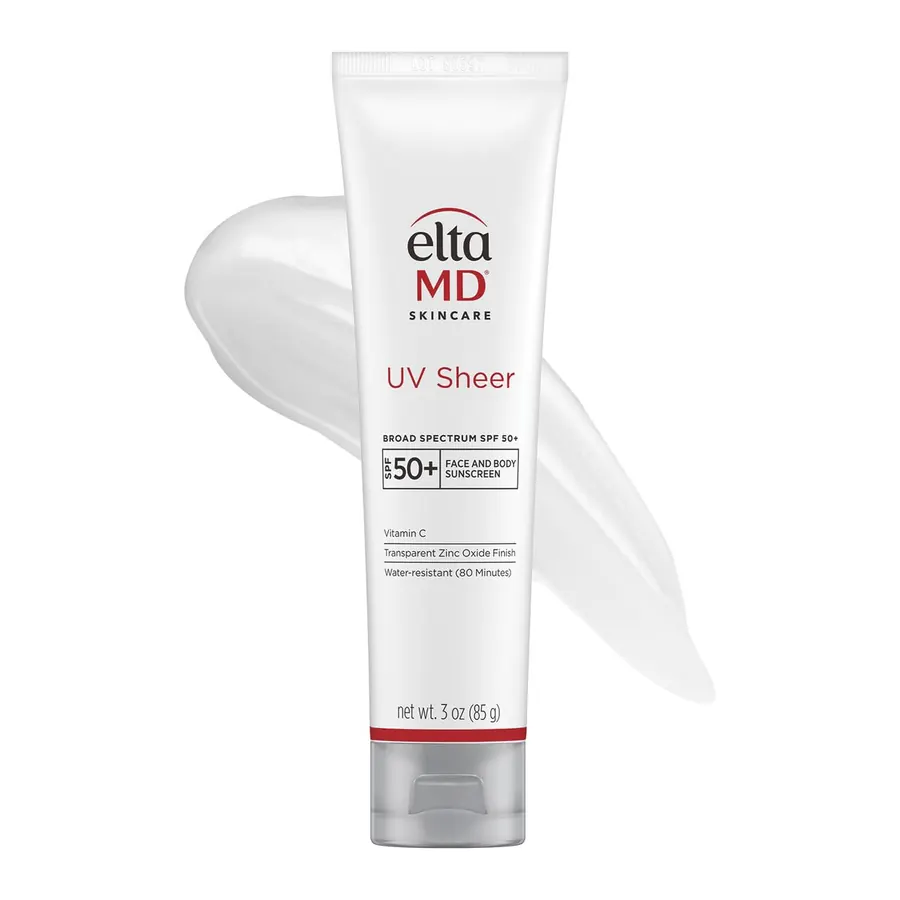
EltaMD UV Sheer SPF 50+ is the mineral formula I come back to every morning: transparent zinc, hyaluronic acid, no white cast, no greasy finish. It is the product that made daily SPF feel effortless rather than obligatory. See today's price on Amazon and check whether it is right for your skin before locking in your routine.
Amazon Check Today's Price on Amazon →