

I switched to mineral sunscreen three years ago after a routine derm visit flagged new hyperpigmentation on my left cheek. My SPF habit was fine. My choice of SPF was the problem. The chemical formula I had used for years left my skin irritated, and I was reapplying too infrequently because the texture bothered me. One tube of EltaMD UV Sheer SPF 50+ later, I had not missed a morning since. If you have been on the fence about making the same switch, here are ten reasons mineral SPF 50 is worth it, starting with the basics and ending with the one detail most people overlook.
A quick note before we start: not all mineral sunscreens are equal. The ten points below are most relevant to formulas that use transparent zinc oxide as the primary active, which is how EltaMD UV Sheer is built. Formulas that use titanium dioxide only, or a heavy zinc paste, behave differently. Keep that distinction in mind as you read.
Still using a chemical SPF that stings your eyes on hot days? Mineral does not do that.
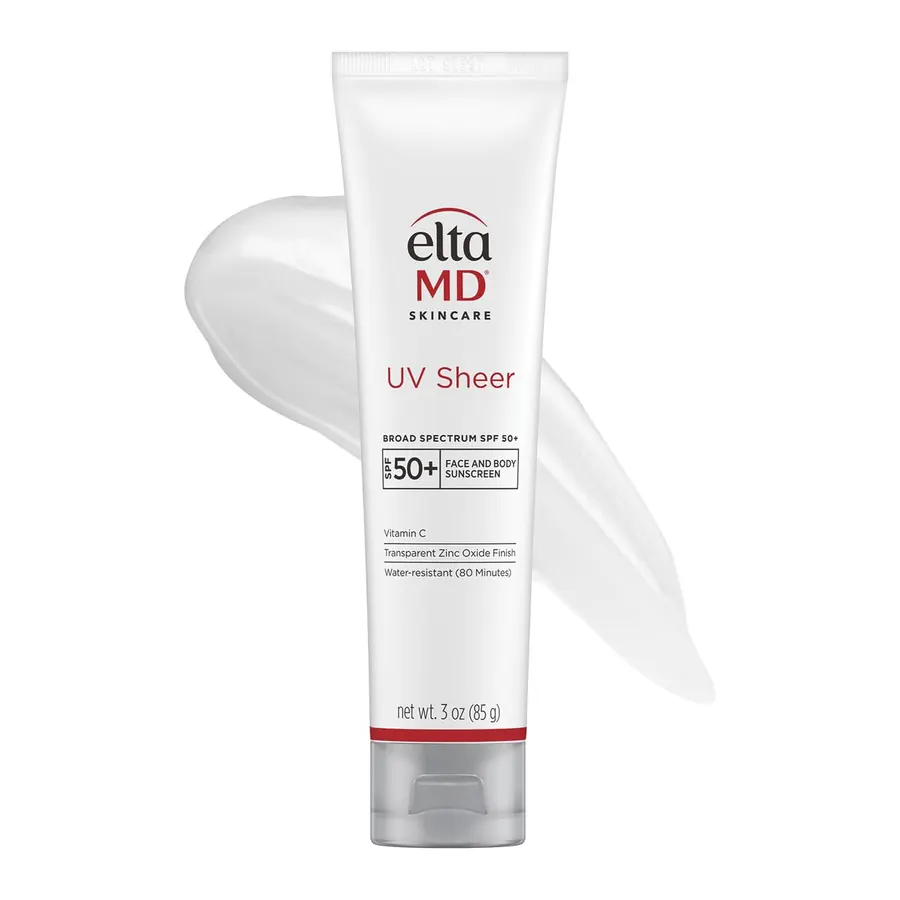
EltaMD UV Sheer SPF 50+ uses transparent zinc oxide and hyaluronic acid. No white cast, no fragrance, no chemical filters. Rated 4.6 stars across 3,700+ Amazon reviews.
Amazon Check Today's Price on Amazon →Zinc oxide blocks both UVA and UVB rays in a single ingredient
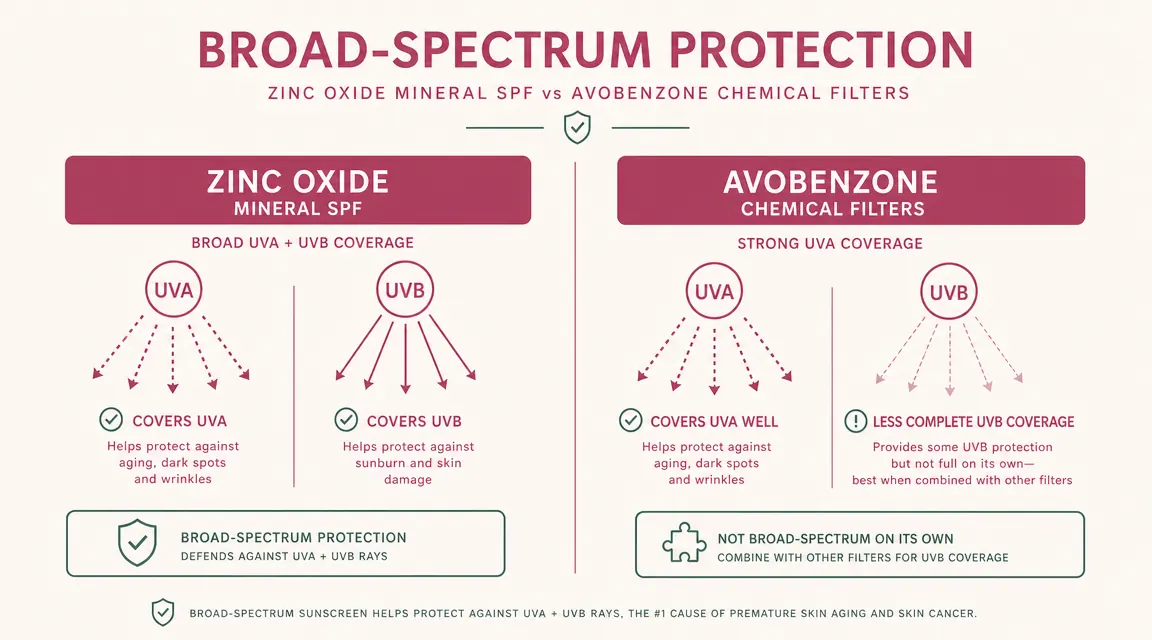
Chemical sunscreens often require a cocktail of three to five different actives to cover the full UV spectrum. Zinc oxide handles both UVA and UVB rays on its own. That matters because UVA rays, the ones that drive premature aging and go deeper into the dermis, are harder to block and are often undercovered by chemical formulas that lean on avobenzone. SPF 50 with zinc oxide means you are getting broad-spectrum protection from one stable, well-researched mineral rather than hoping a blend of less stable chemicals holds up through sweat and sunlight.
Mineral SPF starts working the moment you apply it
Chemical sunscreens need 15 to 30 minutes to absorb into skin and activate. Zinc oxide is a physical blocker, meaning it sits on top of the skin and deflects UV rays immediately. If you are applying sunscreen as the last step in your morning routine and heading out right after, that 20-minute waiting window with a chemical formula is a gap in protection you might not know you have. With a mineral SPF 50, you apply and you are covered. That alone is worth something in a real-world morning routine.
It is significantly less likely to cause stinging or contact reactions on sensitive skin
Avobenzone, oxybenzone, and octinoxate, the most common chemical SPF actives, are among the leading causes of contact dermatitis from skincare products. They penetrate the skin barrier, which is the mechanism by which they work. Zinc oxide and titanium dioxide sit on top of the skin. If your skin has ever reacted to a sunscreen with redness, burning, or a rash around the cheeks or eyes, switching to a mineral formula is the most practical first troubleshooting step. In my experience, the majority of clients who report sunscreen sensitivity find it resolves when they move to a clean zinc oxide formula.
Transparent zinc oxide formulas now leave no visible white cast on medium to light skin tones
White cast was a legitimate concern with early mineral formulas. It is mostly a solved problem in formulas using micronized or transparent zinc oxide. EltaMD UV Sheer uses transparent zinc oxide specifically to eliminate that chalky residue. On skin from NC10 to NC35, the finish is sheer and skin-toned. Deeper skin tones may still see a slight cast, which is worth knowing. But for most shoppers, the generation of mineral SPF sold today is nothing like the white-paste formulas of ten years ago. You can read more about how the finish compares head-to-head in our <a href="/eltamd-uv-sheer-vs-la-roche-posay-anthelios">EltaMD UV Sheer vs La Roche-Posay Anthelios comparison</a>.
SPF 50 gives meaningful added protection over SPF 30 for everyday face use
SPF 30 blocks approximately 97% of UVB rays. SPF 50 blocks approximately 98%. That 1% sounds small, but the practical gap is larger because most people apply less sunscreen than the test conditions assume. Lab SPF testing uses 2 mg per cm2 of skin. Real-world application is usually half that. When you account for under-application, SPF 50 delivers closer to SPF 30 real-world performance, and SPF 30 delivers closer to SPF 15. Choosing SPF 50 as your daily baseline is a reasonable buffer against the fact that nobody measures out exactly the right amount every morning.
When you account for under-application, SPF 50 real-world performance is closer to what SPF 30 promises on the label. That gap is why I always reach for 50 or above for my face.
Reef-safe formulas skip the ingredients linked to marine ecosystem damage
Oxybenzone and octinoxate are the chemical SPF actives most commonly cited in research on coral bleaching. Hawaii, the U.S. Virgin Islands, and several other jurisdictions have banned them outright. Zinc oxide-based mineral sunscreens do not contain these ingredients. If that is relevant to where you travel or swim, or it matters to you on principle, a mineral SPF 50 is the cleaner option. EltaMD UV Sheer is fragrance-free, paraben-free, and formulated without oxybenzone or octinoxate.
Mineral SPF is stable in sunlight, unlike some chemical filters that degrade over time
Avobenzone, the chemical filter most commonly used for UVA protection, is inherently photo-unstable. It breaks down when exposed to UV light, which is the exact condition under which you need it to work. Most chemical formulas pair avobenzone with a stabilizer like octocrylene or ecamsule, but stabilized or not, it does not maintain its protective capacity as consistently as zinc oxide. Zinc oxide is photostable, meaning its SPF rating holds throughout your sun exposure window without degrading. For everyday city use that protection difference is minor. For longer time outdoors, it matters.

Many mineral SPF 50 formulas now include skin-supporting ingredients that do double duty
Early mineral sunscreens were functional but dry. Modern formulas have caught up. EltaMD UV Sheer includes hyaluronic acid, which draws water to the surface of the skin and helps the formula feel comfortable across a full day of wear rather than tight and chalky by noon. Some mineral SPF formulas also include niacinamide, antioxidant vitamin E, or lactic acid. You are essentially getting a light serum step and your sun protection in a single product, which simplifies the routine and reduces the number of layers that can cause pilling under makeup.
A daily mineral SPF 50 habit is the single most documented way to prevent visible aging
This point is not subtle. Sun exposure is the primary driver of extrinsic aging, accounting for the majority of wrinkles, uneven tone, and loss of elasticity over time. Retinol, vitamin C, peptides, and other actives can support collagen and address existing damage, but none of them are as consistently supported by research as wearing a broad-spectrum SPF 50 every single day. If you are spending money on serums and treatments and skipping sunscreen, you are patching a roof while leaving the window open. You can read more about building that daily habit in our full review of the <a href="/eltamd-uv-sheer-spf50-review-long-term">EltaMD UV Sheer SPF 50+</a>.
A formula you actually want to wear is the one that protects you
The best sunscreen is the one you apply every morning without dreading it. Chemical formulas that sting around the eye area, leave a greasy finish, or smell like sunblock get skipped. Mineral formulas with a heavy white cast get skipped. The practical question when choosing a mineral SPF 50 is not just the ingredient profile but whether the formula wears well enough that you reach for it daily without thinking about it. EltaMD UV Sheer has a lightweight, lotion-like consistency that disappears into skin and layers cleanly under moisturizer or primer. For a lot of people, it is the sunscreen that made them stop skipping.
What I'd Skip
Two types of mineral sunscreens are worth avoiding even though they technically check the mineral box. First, formulas that use titanium dioxide as the only active. Titanium dioxide does not cover the UVA range as completely as zinc oxide and tends to look chalky even at lower concentrations. Second, tinted mineral SPF formulas marketed as foundation replacements. If your goal is dedicated sun protection at a consistent SPF 50, you want a formula that is designed for SPF first. Tinted formulas are often applied too lightly to deliver the stated protection level, because the user is calibrating to color coverage rather than SPF dosage. Use tinted SPF as a finishing layer on top of your dedicated mineral sunscreen if you want the look, not instead of it.
Tinted SPF is fine as a finishing layer. It is not a substitute for a dedicated SPF 50 applied at the right dosage. Most people apply tinted formulas too lightly to get the protection on the label.
Ready to stop regretting skipped sunscreen days? Start with the formula that actually feels good to wear.
EltaMD UV Sheer SPF 50+ uses transparent zinc oxide, hyaluronic acid, and no chemical filters. Fragrance-free, reef-safe, and light enough to wear under anything. 4.6 stars from over 3,700 buyers on Amazon.
Amazon Check Today's Price on Amazon →