
Retinol has been used in skincare for decades. It is not trendy. It is not a shortcut. It is one of the most studied topical ingredients available without a prescription, and the research behind it is unusually consistent. If you have avoided it because you heard it causes peeling or irritation, that concern is valid. But it is also manageable, and the results that come after the adjustment period are worth understanding before you write it off. This list covers the ten specific things retinol serum does to your skin, written plainly, without the marketing language.
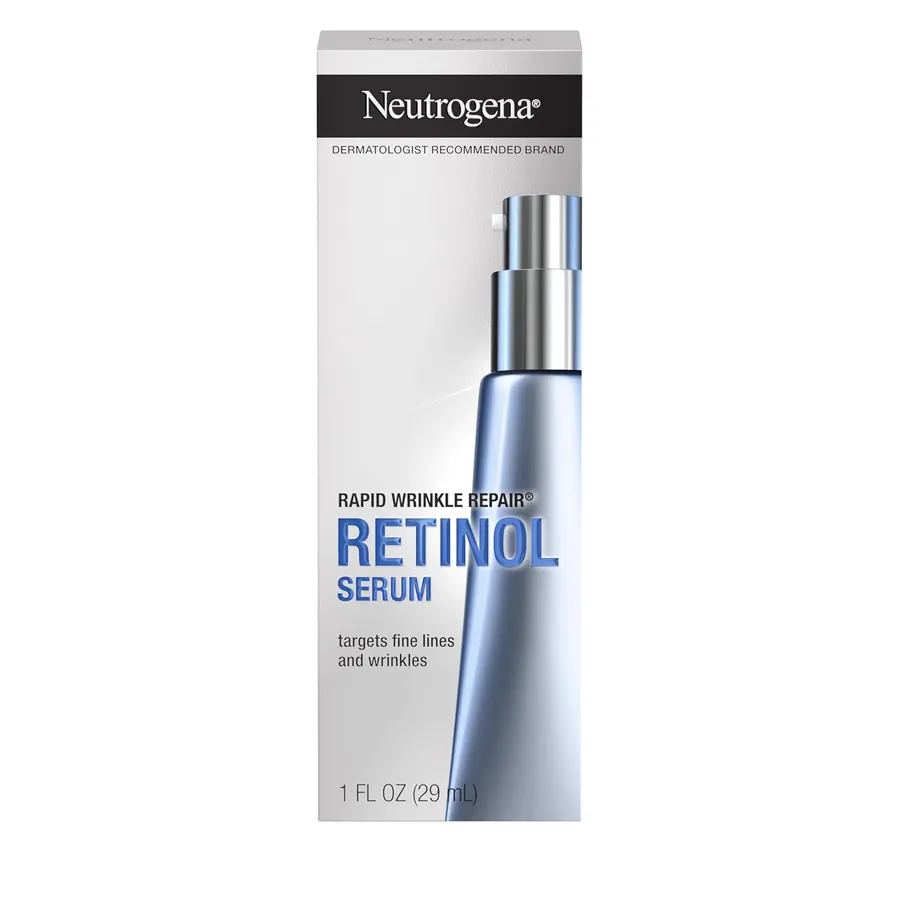
Throughout this article I will reference the Neutrogena Rapid Wrinkle Repair Retinol Serum as a concrete example of a well-formulated OTC retinol option. If you want more detail on how it performs over five months of nightly use, I have a full breakdown in my long-term Neutrogena retinol serum review. For now, here are the ten things retinol actually does.
Still on the fence about starting retinol? See current pricing and reviews first.
The Neutrogena Rapid Wrinkle Repair Retinol Serum combines retinol with hyaluronic acid in a formula designed to minimize the initial irritation most beginners dread. Over 6,000 verified buyers on Amazon have weighed in.
Amazon Check Today's Price on Amazon →Retinol Speeds Up Cell Turnover
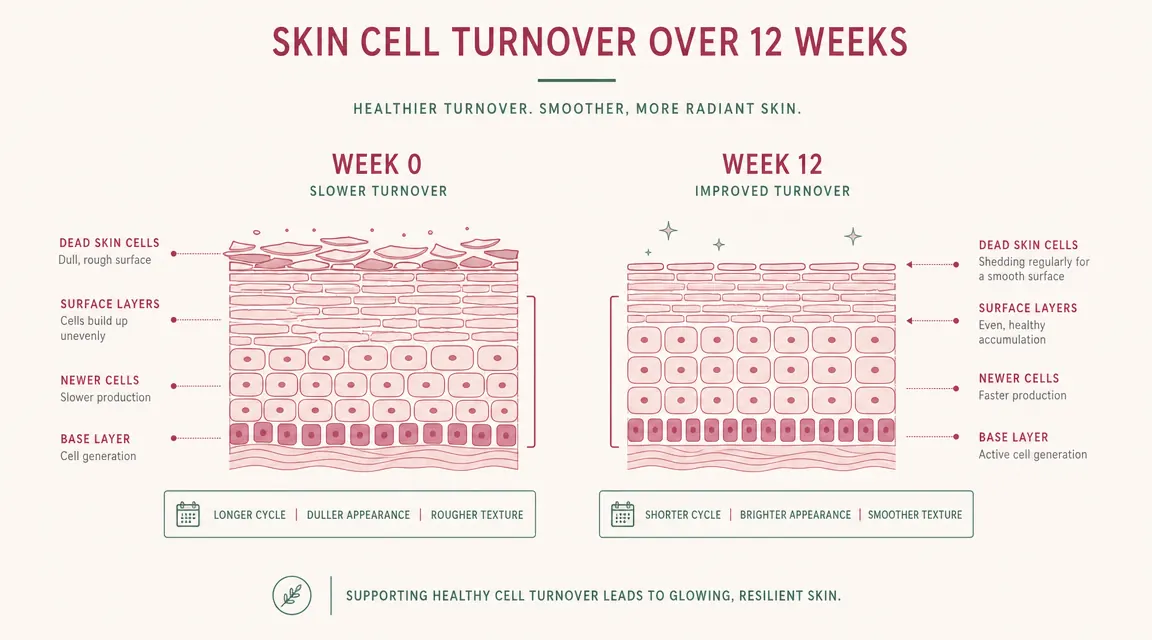
Your skin naturally sheds and replaces surface cells, but that cycle slows considerably as you age. By your 40s, what used to take about 28 days can stretch to 40 or more. Retinol signals the skin to accelerate that cycle. Faster turnover means old, dull cells on the surface are replaced more quickly with fresher ones underneath. The result is skin that looks less grey and flat over time. This is the foundation for almost everything else retinol does.
Retinol Stimulates Collagen Production
Collagen is the protein that gives skin its structure and plumpness. After your mid-20s, collagen production decreases by roughly one percent per year. Retinol has been shown in peer-reviewed studies to stimulate fibroblasts, the cells responsible for producing collagen. This is not a fast process. Most people start to see the effects of collagen support from retinol after three to six months of consistent use. But it does happen, and it is one of the reasons retinol is considered different from moisturizers that only work on the surface.
Retinol Softens Fine Lines Around the Eyes and Mouth
The fine lines that form from repeated facial movement, around the eyes, at the corners of the mouth, across the forehead, are called dynamic lines. Over time they become static, meaning visible even when your face is at rest. Retinol does not erase these lines, but with consistent use it does soften them. The combination of increased cell turnover and collagen support gradually fills in the texture of those creases. Expect to notice a difference at around the 8-to-12-week mark, not overnight.
Retinol Fades Post-Acne Marks and Hyperpigmentation
If you have brownish spots left over from old breakouts, or sun-related discoloration that has been sitting on your cheeks or forehead for years, retinol can help fade those too. It does this in two ways. First, faster cell turnover pushes the pigmented cells out of the surface layer more quickly. Second, retinol has been shown to inhibit melanin production, which reduces the intensity of new pigmentation forming. Dark spots from sun exposure and old blemishes both respond to this mechanism over time.
Retinol Smooths Uneven Skin Texture
Rough patches, bumpy skin that does not catch the light evenly, and that slightly weathered texture that is hard to describe but easy to see in photos. These are all surface texture issues that retinol addresses. As old surface cells turn over faster, the skin's texture becomes more uniform. Most people notice this change before they notice anything happening with lines or pigmentation. It tends to show up around week four to six as a smoother, slightly more reflective surface.
Retinol is not a one-night fix. It is a steady process of pushing your skin to behave more like it did a decade ago. The payoff is real, but it requires patience measured in months, not days.
Retinol Reduces the Appearance of Enlarged Pores
Pore size is genetically determined and cannot actually be changed. But the appearance of pores can improve significantly with retinol. When pores are clogged with dead skin cells and sebum, they look larger. Retinol's exfoliating action keeps those pores cleaner and clearer, which makes them appear smaller. People with combination or slightly oily skin often notice this benefit within the first two months of regular retinol use.
Retinol Helps Prevent New Fine Lines from Setting In
This is the benefit that is hardest to photograph and easiest to underestimate. If you start retinol in your late 30s or early 40s and stick with it, you may find that new lines form more slowly than they otherwise would have. The ongoing collagen stimulation and cell turnover support act as a kind of maintenance that keeps the skin behaving more resiliently over time. Prevention is less dramatic than correction, but long-term retinol users often report that their skin simply ages at a slower visible rate.
Retinol Improves Skin Tone Consistency
Beyond discrete dark spots, many people in their 40s and 50s notice that their overall skin tone just looks uneven. Some areas are redder, some yellower, some darker. Retinol works on tone consistency over time by accelerating turnover across the whole surface and suppressing irregular melanin production. Paired with a vitamin C serum in your morning routine, the effect on overall tone consistency is more pronounced.
Retinol Makes Other Skincare Ingredients Work Better
When your skin surface is regularly renewed through retinol-driven cell turnover, the products you apply on top of it absorb more effectively. Hyaluronic acid penetrates better. Peptides land on fresher cells. Moisturizers feel more efficient. This compounding effect means that starting retinol often makes your whole routine feel more effective, not just the retinol step itself. Some people notice this improvement in overall routine performance before they notice specific retinol results.
Retinol Is One of the Only OTC Ingredients with Decades of Clinical Backing
There are hundreds of ingredients marketed for wrinkles and aging. Very few of them have the depth of clinical research that retinol does. Peptides, bakuchiol, growth factors, and other options all have their place, and some work well as gentler alternatives. But retinol has the longest track record and the most consistent evidence. If you want to understand whether the Neutrogena formula specifically holds up versus prescription alternatives, I have a direct comparison in my <a href="/neutrogena-retinol-vs-differin-adapalene">Neutrogena retinol vs Differin adapalene review</a>. The short answer is: for someone new to retinol or with sensitive skin, the OTC path is a sensible starting point.
What I'd Skip
Avoid retinol if you are pregnant or nursing. Skip it on any night you are using an exfoliating acid like glycolic or lactic. Do not use it on visibly broken or irritated skin. And skip the overpriced 2-percent formulas if you are a first-time user. They are not better for beginners. They are more likely to cause peeling and redness that pushes you to quit before retinol has had time to actually work. A lower concentration used consistently over six months will outperform a high concentration used for three weeks and abandoned.
Starting lower and staying consistent is how retinol actually works. A 0.3 percent formula used nightly for six months will do more than a 1 percent formula used twice a week out of fear.
Ready to add a retinol serum to your routine? Check the current price before you decide.
The Neutrogena Rapid Wrinkle Repair Retinol Serum is a well-formulated starting point. The pump bottle controls dosage, the hyaluronic acid in the formula helps offset dryness, and the concentration is appropriate for most beginners. It has over 6,000 Amazon reviews and is consistently in stock.
Amazon Check Today's Price on Amazon →